1 Gram of Protein, 30 Grams of Carbs, 50 Grams of Fat, Lift Weights and Walk.
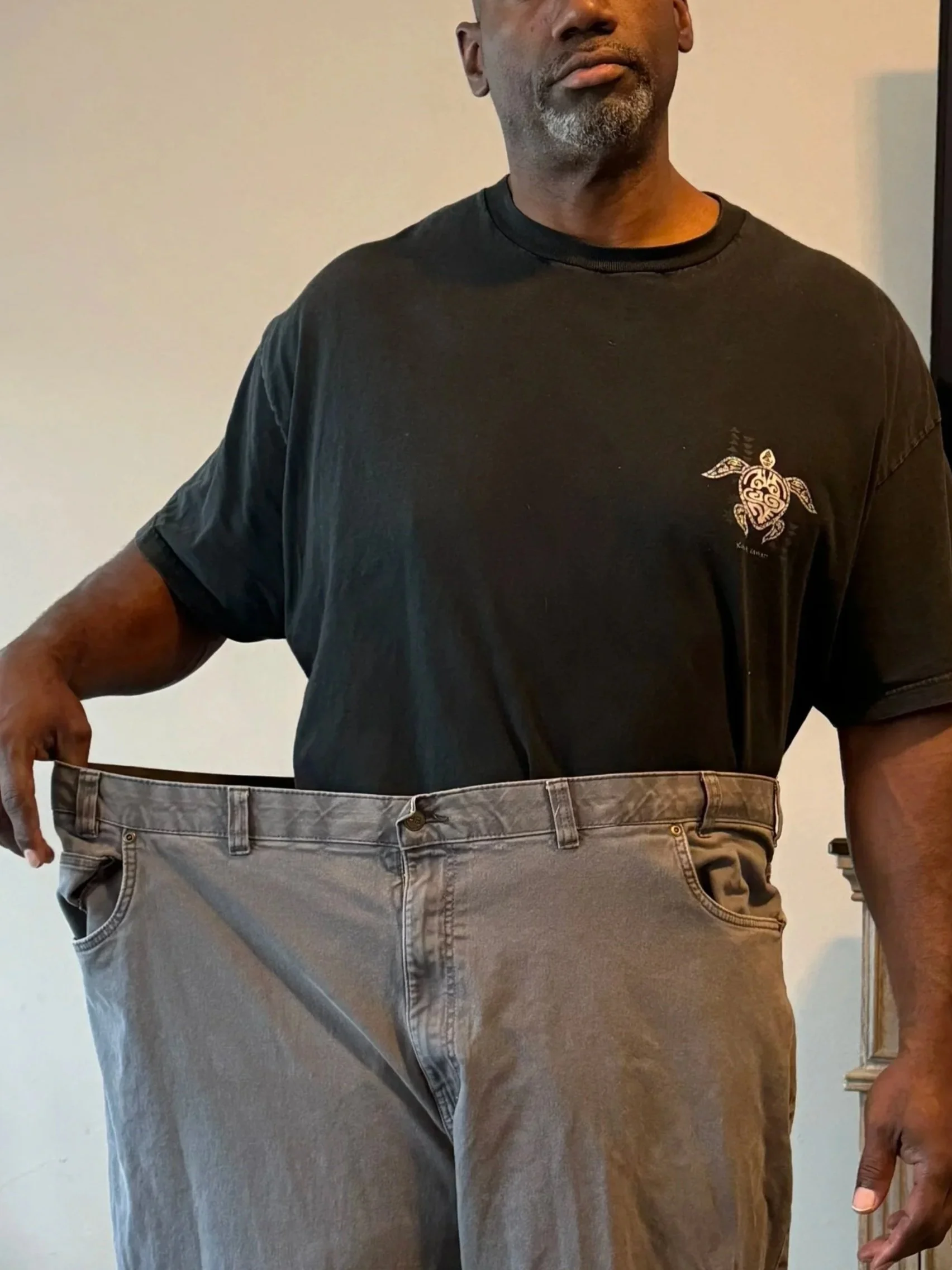
No GLP-1
1 gram of protein per pound of desired body weight, 30 grams of carbs, 50 grams of fat, lift weights and walk.
Why this works
Protein (1 g per desired pound): Supports muscle repair, preserves lean mass during fat loss, and increases satiety. Using desired body weight (not current weight) focuses your intake on the physique you’re working toward.
Low-carb target (~30 g): Keeps insulin response low and promotes fat oxidation. This level is typically ketogenic for many people, which can accelerate fat loss and steady energy for some.
Moderate-high fat (50 g): Provides essential fatty acids and a stable energy source when carbs are low. Fat also supports hormone production and satiety.
Strength training: Preserves and builds muscle, increases resting metabolic rate, and improves body composition.
Daily walking: Low-impact activity increases daily calorie burn, aids recovery, supports cardiovascular health, and is easy to maintain long-term.
How to implement
Calculate protein
Desired body weight in pounds × 1 g = daily protein grams.
Example: Desired 160 lb → 160 g protein/day.
Set carbs and fat
Carbs: 30 g/day total (count net carbs if you prefer).
Fat: 50 g/day.
Track calories (optional but recommended)
Calories = (protein g × 4) + (carb g × 4) + (fat g × 9).
Example for 160 g protein, 30 g carbs, 50 g fat:
Protein: 160 × 4 = 640 kcal
Carbs: 30 × 4 = 120 kcal
Fat: 50 × 9 = 450 kcal
Total ≈ 1,210 kcal — adjust if too low for your needs.
Meal planning tips
Prioritize lean protein sources: chicken, turkey, lean beef, fish, eggs, low-fat dairy, whey or casein protein.
Use fats to meet the 50 g: olive oil, avocado, nuts, seeds, fatty fish, butter.
Keep carbs focused and fibrous: leafy greens, non-starchy vegetables, small portions of berries or low-carb vegetables to hit 30 g.
Distribute protein across meals (e.g., 3–5 meals) to support recovery and satiety.
If calories are too low for your activity level, increase protein or fat rather than carbs to keep the ratio.
Strength training guidance
Frequency: 3–5 sessions per week.
Focus: compound lifts (squats, deadlifts, bench press, rows, overhead press) plus accessory work.
Progression: increase load, volume, or intensity gradually. Aim for progressive overload.
Reps/sets: 3–5 sets of 4–12 reps depending on goals (lower reps for strength, higher for hypertrophy).
Recovery: prioritize sleep, mobility, and deload weeks as needed.
Walking guidance
Aim for consistent daily movement: 30–60 minutes of walking most days.
Use walks as active recovery after hard lifting sessions.
Increase step count gradually; a common target is 8,000–12,000 steps/day depending on goals.
Safety and personalization
This plan is relatively low in calories for many people. Monitor energy, performance, sleep, and mood. If you feel excessively fatigued or performance drops, increase calories (first add protein, then fat).
People with medical conditions (diabetes, thyroid issues, pregnancy, lactation, certain medications) should consult a healthcare provider before making major dietary changes.
Adjust protein if you have kidney disease or other contraindications; consult a physician.
Quick sample day (example for 160 g protein / 30 g carbs / 50 g fat)
Breakfast: 3 egg whites + 1 whole egg, 1 cup spinach cooked in 1 tsp olive oil (protein ~25 g, carbs ~3 g, fat ~6 g)
Snack: Protein shake (whey isolate) with water (protein ~30 g, carbs ~2 g, fat ~1 g)
Lunch: 6 oz grilled chicken breast, mixed greens, 1/4 avocado, 1 tbsp olive oil (protein ~50 g, carbs ~5 g, fat ~18 g)
Snack: 2 oz turkey jerky or cottage cheese (protein ~20 g, carbs ~2 g, fat ~2 g)
Dinner: 6 oz salmon or lean steak, steamed broccoli with 1 tsp butter (protein ~35 g, carbs ~5 g, fat ~23 g)
Totals