Don’t Do it…
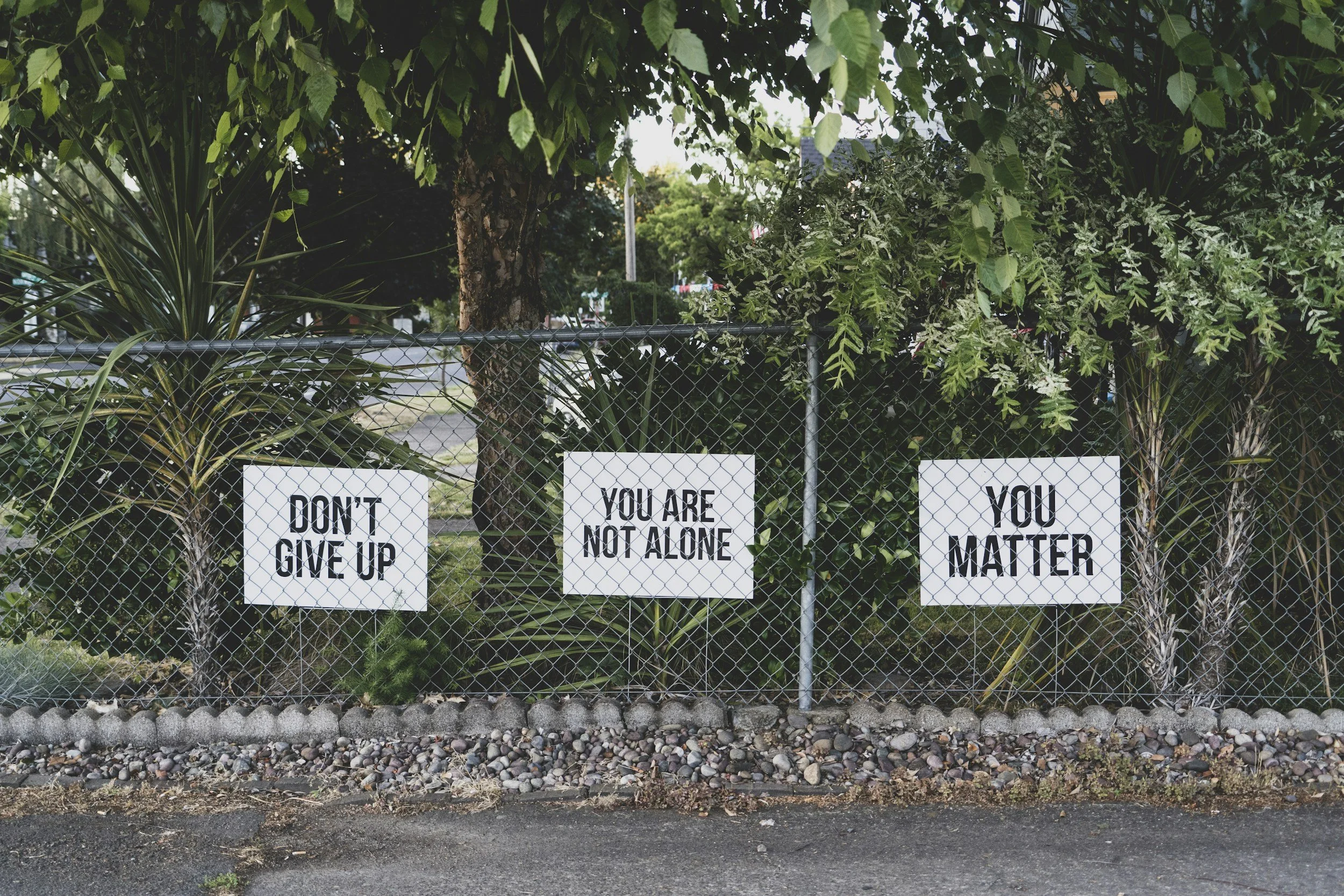
You are worth staying. The pain you feel right now can feel endless, overwhelming, and all-consuming—but it is not proof that things will never change. Suicide is a permanent action with irreversible consequences for yourself and the people who love you, care about you, or depend on you. Choosing to stay and get help gives you the possibility of healing, new perspectives, and a life that includes moments of peace, joy, and meaning.
Why suicide is not the answer
It’s permanent. Decisions you make in extreme emotional pain remove every chance for things to improve. Thoughts, feelings, and situations that feel unbearable now can and often do change with time and support.
It causes deep, lasting harm to others. Family members, friends, coworkers, and even acquaintances can be left with intense grief, guilt, confusion, anger, and long-term trauma. Many survivors report asking “What could I have done?” and living with that doubt for years.
It doesn’t solve the underlying problems. Trauma, depression, addiction, financial stress, relationship breakdowns, and mental illness are treatable. Ending your life stops the opportunity to heal those wounds, learn coping skills, and build new supports.
You deserve a chance to process and recover. Healing is rarely linear, but with the right help and time, people rebuild meaningful lives after trauma and crisis.
Why getting help matters
Professional help gives effective tools. Therapists, psychiatrists, and counselors offer evidence-based treatments—like trauma-focused therapy, cognitive behavioral therapy (CBT), EMDR, medication when appropriate, and skills for managing overwhelming emotions.
Support reduces isolation. Talking with a trusted friend, family member, or a support group helps you feel seen and less alone. Connection matters in recovery.
Safety planning saves lives. A clinician or crisis worker can help you develop a concrete plan to reduce immediate risk—what to do when suicidal thoughts spike, emergency contacts, and steps to make your environment safer.
Processing trauma changes how you live. Trauma-informed therapy helps you understand what happened, reduce symptoms, and regain control. Over time, many people find that painful memories lose their power and life becomes bearable again.
Practical steps to take right now
If you’re in immediate danger or think you might act on suicidal thoughts, call emergency services now.
If you’re in the United States and need urgent support, call 988 to reach the Suicide & Crisis Lifeline or use a local emergency number. If you’re elsewhere, contact local emergency services or a crisis line in your country.
Reach out to someone you trust and tell them you’re struggling. You don’t have to explain everything—just let them know you need help.
Contact a mental health professional or your primary care doctor to talk about your symptoms and treatment options.
Remove or secure means that you might use to harm yourself (medications, firearms, sharp objects) and ask someone you trust to help.
Create a short safety plan: warning signs, coping strategies that have helped before, people and professionals to call, and ways to make your environment safer.
What to say to someone you’re worried about
Be direct but compassionate: “I’m worried about you. Are you thinking about hurting yourself?”
Listen without judgment. Let them share at their pace and validate their feelings.
Help them connect with immediate professional support and stay with them or check in often if they’re at high risk.
Encourage them to make a safety plan and remove means of harm if possible.
You are not alone in this. Many people who once felt exactly as you do now have gone on to find healing, connection, and purpose. Reaching out for help is an act of courage and the first step toward a life that includes more hope and fewer painful moments. If you’re struggling now, please take one of the practical steps above and get help—your life matters.