GLP-1 (Like) results without the Side effects!
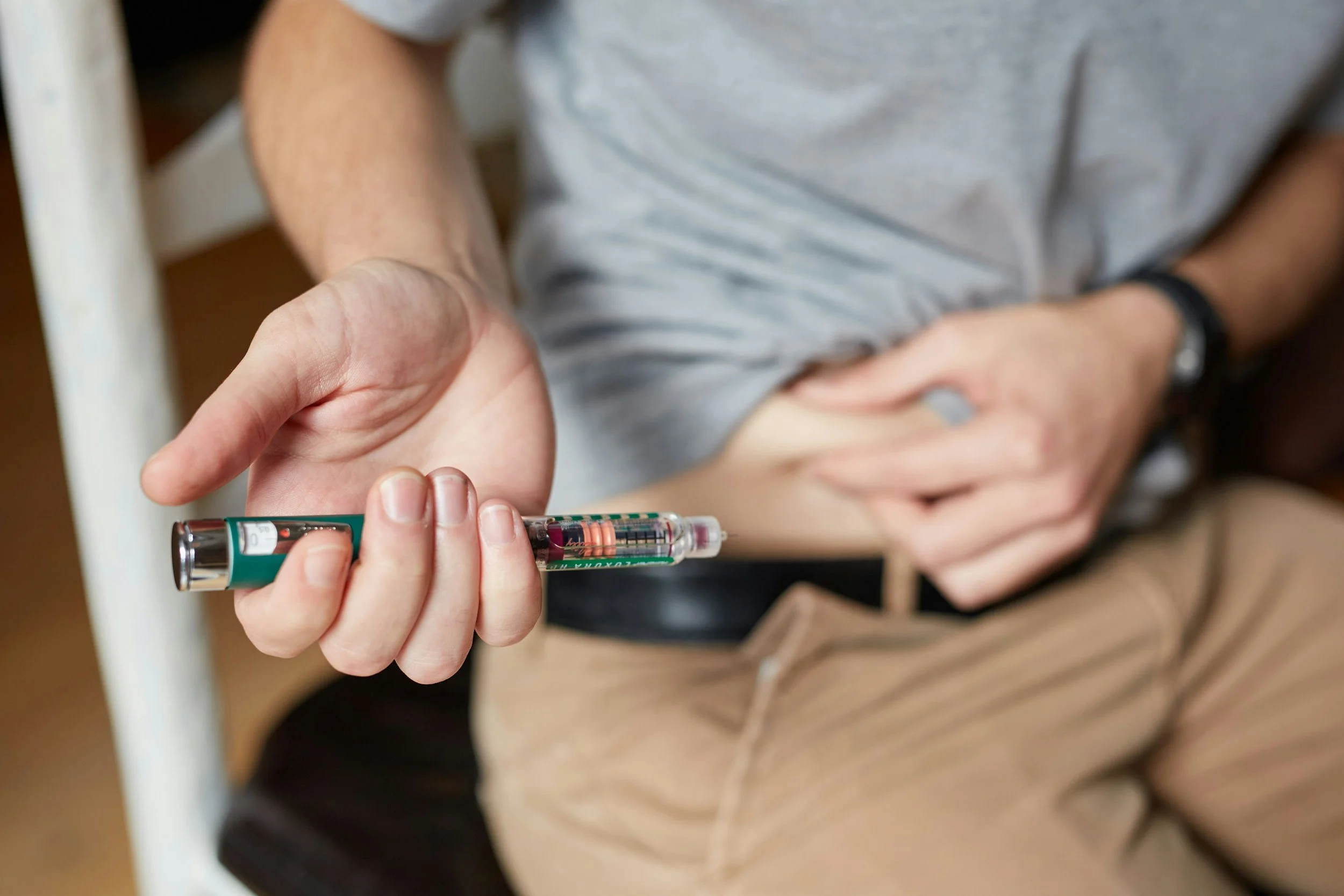
This may help you reach your goals.
GLP-1 (glucagon-like peptide-1) is a hormone produced by the gut that helps regulate appetite, blood sugar, and insulin secretion. GLP-1 receptor agonist medications mimic or boost this hormone and are used for weight loss and diabetes. While you cannot replicate prescription GLP-1 drugs exactly without medication, you can naturally increase your body’s GLP-1 activity and achieve many of the same metabolic and appetite-control benefits through targeted diet, exercise, sleep, and lifestyle strategies.
Diet strategies to boost GLP-1 and support similar outcomes
Eat more protein at meals: Dietary protein (especially whey, dairy, eggs, fish, poultry, legumes) stimulates GLP-1 release and increases satiety. Aim for a protein-rich source at each meal (rough guideline: 20–35 g per meal depending on needs).
Prioritize intact, minimally processed carbohydrates: Whole grains, legumes, starchy vegetables, and fruits produce slower glucose rises and encourage gut hormone responses more than refined carbs. Lower glycemic load meals support GLP-1 activity indirectly by improving insulin sensitivity.
Increase dietary fiber, especially viscous/soluble fiber: Foods like oats, barley, psyllium, beans, lentils, apples, pears, and flaxseed slow gastric emptying and enhance GLP-1 secretion. Aim for at least 25–35 g fiber/day depending on calorie needs.
Include healthy fats at meals: Monounsaturated and omega-3 fats (olive oil, avocados, nuts, fatty fish) slow digestion, increase fullness, and can support incretin responses.
Fermentable fibers and prebiotics: Inulin, fructooligosaccharides (found in onions, garlic, asparagus, chicory) and resistant starches (cooled cooked rice/potatoes, green bananas, legumes) feed beneficial gut bacteria that produce short-chain fatty acids (SCFAs). SCFAs can stimulate L cells (GLP-1–producing cells) in the colon.
Consider timing and meal composition: Balanced meals with protein + fiber + fat blunt rapid glucose spikes and sustain GLP-1–friendly signaling. Avoid large, high-sugar meals that blunt incretin responsiveness over time.
Moderate calorie reduction/controlled weight loss: Losing excess weight improves insulin sensitivity and can restore healthier incretin responses. Even 5–10% body weight loss has measurable metabolic benefits.
Exercise strategies
Combine aerobic and resistance training: Cardio (walking, jogging, cycling) improves insulin sensitivity; resistance training (weights, bodyweight) builds muscle mass that increases glucose disposal. Both have been associated with favorable gut hormone profiles.
High-intensity interval training (HIIT) and moderate-intensity continuous exercise: Both can increase GLP-1 levels acutely after exercise and improve metabolic health when done consistently.
Aim for regularity: At least 150 minutes/week of moderate aerobic activity or 75 minutes of vigorous activity, plus 2+ strength sessions weekly. Even daily walks after meals (10–30 minutes) help postprandial glucose and may support incretin action.
Post-meal activity: Light activity after eating can blunt glucose spikes and support gut–hormone balance.
Gut health and microbiome
Promote a diverse microbiome: A varied plant-rich diet, fermented foods (yogurt, kefir, sauerkraut, kimchi), and prebiotic fibers support bacteria that produce SCFAs. SCFAs (acetate, propionate, butyrate) stimulate L cells to secrete GLP-1.
Avoid unnecessary antibiotics and limit highly processed, high-sugar diets that reduce microbiome diversity.
Consider targeted prebiotic supplementation (psyllium, inulin) if dietary intake is low, after consulting a clinician.
Lifestyle and sleep
Prioritize sleep: Poor sleep reduces insulin sensitivity and alters appetite hormones; good sleep (7–9 hours/night) supports metabolic hormones and GLP-1 responsiveness.
Manage stress: Chronic stress and elevated cortisol can impair appetite regulation. Stress reduction (mindfulness, breathing, therapy) helps restore metabolic balance.
Avoid smoking and limit alcohol: Both can disrupt metabolic health and gut function.
Meal patterns and timing
Protein and fiber at breakfast: A higher-protein morning meal can reduce overall daily calorie intake and enhance GLP-1–mediated satiety.
Mindful portion control and consistent meal timing: Regular meals that don’t over-stress blood sugar can support steady incretin signaling.
Time-restricted eating/intermittent fasting (if appropriate): Some people find improved insulin sensitivity and body composition with a controlled eating window, which can indirectly improve incretin profiles. Individual responses vary—work with a clinician if you have diabetes or take medications.
Supplements and nutrients
Creatine and multivitamins are usually helpful.

Discipline is the key. Be consistent!